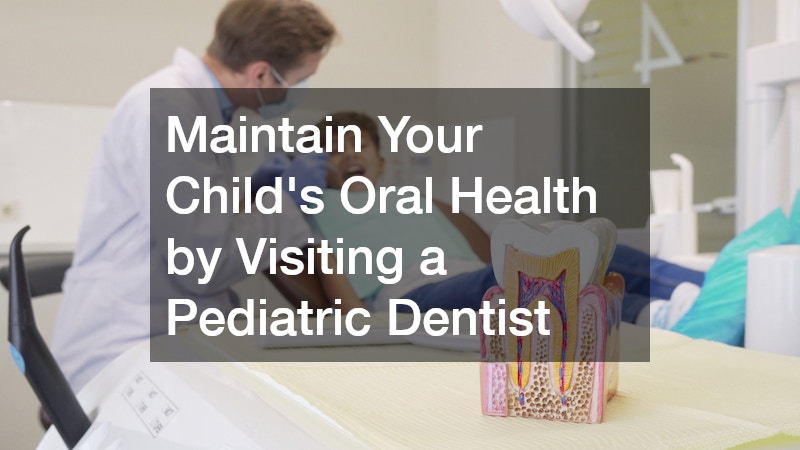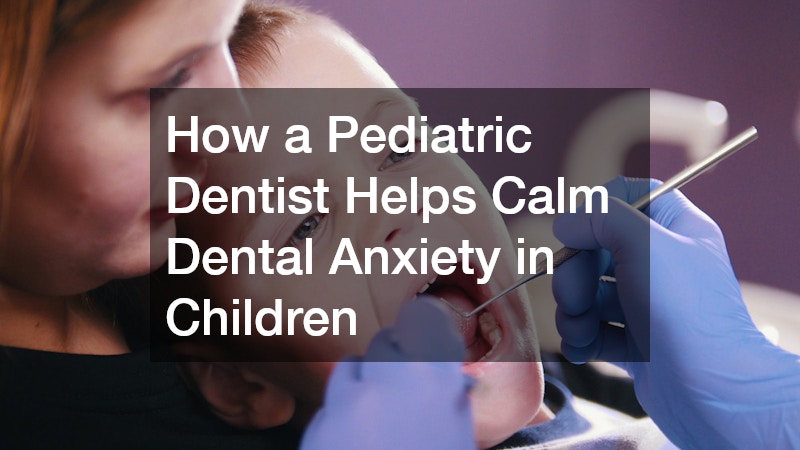
A visit to the clinic can feel like a grand adventure or a terrifying ordeal for a young child. Bright overhead lights, strange buzzing noises, and unfamiliar faces wearing masks can easily trigger fear and apprehension. For many parents, getting a hesitant child through the door is half the battle. This is precisely where specialized care plays a transformative role. A pediatric dentist undergoes years of additional training beyond standard dental school, focusing specifically on child psychology, behavioral guidance, and childhood development.
This specialized expertise enables them to turn potential anxiety into a positive, empowering experience.
Creating a safe space involves more than just gentle treatment; it requires a deep understanding of how children perceive their environment. By using tailored communication methods, child-friendly environments, and specialized anxiety management techniques, young patients learn that taking care of their teeth can actually be a stress-free part of growing up.
Tailored Environments Built for Young Minds
The process of alleviating fear begins long before a child sits in the chair. Every aspect of a specialized office is designed to reduce sensory overload and welcome young visitors with warmth and familiarity.
Friendly Surroundings and Welcoming Spaces
Traditional clinical settings often feel cold, clinical, and intimidating. In contrast, offices designed specifically for children feature bright colors, engaging wall murals, interactive waiting areas, and toys. These elements serve a dual purpose: they make the space feel like a playground rather than a medical clinic, and they offer an immediate distraction from nervous thoughts. When children walk into an atmosphere filled with games, friendly faces, and upbeat energy, their guard lowers naturally, making them far more receptive to care.
Child-Sized Equipment and Non-Threatening Terminology
Large, complex machinery can easily frighten a young mind. Specialized clinics utilize scaled-down instruments that feel less imposing. Additionally, team members are expert translators who replace intimidating clinical jargon with fun, non-threatening concepts. A suction tube becomes a thirsty straw, the cleaning tool is a dancing toothbrush, and x-ray machines are transformed into special cameras that take pictures of tooth bugs. This playful language removes the mystery and fear surrounding treatment, helping children process what is happening without feeling overwhelmed.
Specialized Behavioral Techniques for Fear Reduction
A pediatric dentist relies on proven behavioral techniques to establish trust, manage expectations, and keep fears at bay throughout every appointment.
The Tell Show Do Method
Uncertainty is one of the primary drivers of anxiety in young children. To combat this, practitioners frequently use the tell, show, do technique. First, the practitioner explains what they are about to do using simple, age-appropriate words. Next, they demonstrate the procedure on a prop, a puppet, or even the child’s finger so they can experience the sensation without any pain. Finally, only after the child understands and feels comfortable, the actual procedure is performed. This predictable approach eliminates sudden surprises and gives children a sense of control over the situation.
Positive Reinforcement and Gentle Distraction
Encouragement goes a long way in building confidence inside the clinic. Celebrating small victories, such as sitting still for thirty seconds or opening wide, reinforces brave behavior and shifts the focus away from anxiety. Distraction is another powerful tool; ceiling-mounted televisions playing popular cartoons, virtual reality glasses, or engaging stories keep a child’s mind occupied while work is completed swiftly in the background.
Advanced Options for Severe Dental Phobia
While behavioral guidance works wonderfully for most young patients, some children experience severe phobias, sensory sensitivities, or require extensive procedures that make staying calm nearly impossible through standard methods alone.
Inhalation Sedation for Mild Apprehension
For children who need a little extra help relaxing, nitrous oxide, commonly known as laughing gas, provides a safe and effective solution. Administered through a small nose mask, this sweet-smelling gas helps children feel relaxed, warm, and slightly dreamy within minutes while remaining fully awake and able to communicate. The effects wear off rapidly once the mask is removed, allowing the child to return to their normal daily activities without lingering drowsiness.
Deeper Sedation for Complex Needs or Special Circumstances
When extensive restorative work is required or when a child has profound special needs, deeper sedation options may be recommended. Safe, monitored oral sedatives or general anesthesia allow necessary treatments to be completed safely in a single visit while the child rests comfortably without experiencing stress or pain. This prevents long, exhausting visits that might otherwise solidify a deep-seated fear of dental care for years to come.
Building Lifelong Habits Through Trust
The ultimate goal of early anxiety management extends far beyond completing a single cleaning or filling. By prioritizing emotional comfort alongside oral health, a pediatric dentist helps children form positive associations with healthcare that last a lifetime. When children grow up trusting their care providers, they are far more likely to maintain regular dental visits as adults, preventing serious health issues down the road. Transforming anxiety into confidence is one of the greatest gifts early specialized care can provide to a growing child.