A healthy smile doesn’t happen by accident. It’s the result of consistent habits, smart decisions, and the right care at every stage of life. From the moment a child’s first tooth appears to the later years when maintenance and restoration become more important, oral health evolves alongside the rest of your body.
Many people think of dental care as something reactive. You go in when something hurts, fix the problem, and move on. But the truth is, the most successful approach is proactive and long-term. When you understand what your teeth and gums need at each stage of life, you can prevent problems before they start, save money over time, and maintain both function and confidence.
This guide walks through a lifelong approach to oral health with practical, actionable advice you can use right away. Whether you’re caring for a child, managing your own routine, or supporting aging family members, you’ll find strategies that make a real difference.
Build Strong Habits From the Very First Tooth
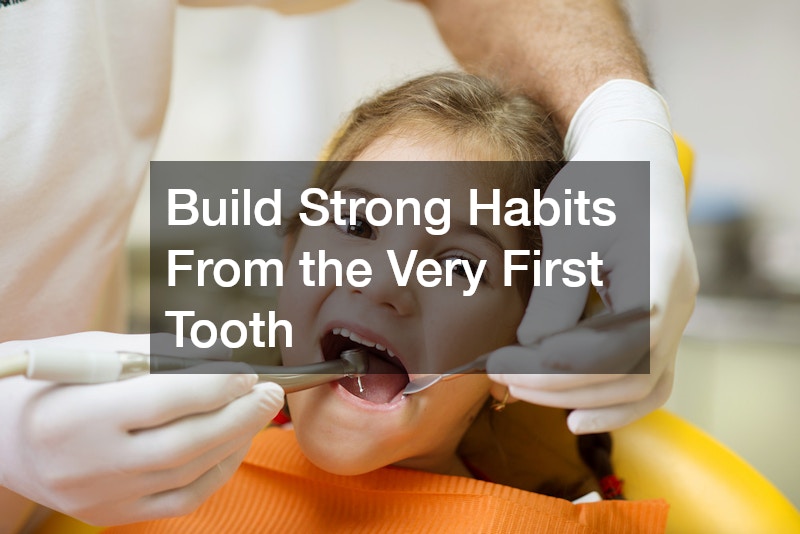
The foundation for lifelong oral health begins earlier than most people realize. As soon as the first tooth appears, it’s time to start building habits that will shape long-term outcomes. Early care isn’t just about preventing cavities. It plays a role in speech, nutrition, and overall childrens development.
At this stage, consistency matters more than perfection. The goal is to establish routines that feel natural and easy to maintain.
Key habits to focus on early:
- Brush twice daily using a soft-bristled toothbrush designed for infants
- Use a rice-sized amount of fluoride toothpaste
- Gently clean gums even before teeth fully emerge
- Avoid putting babies to bed with bottles containing milk or juice
- Introduce water as the primary drink between meals
Beyond hygiene, early oral care supports broader growth. Teeth help guide jaw development and play a role in how children learn to speak and chew properly. Neglecting care early on can lead to alignment issues or nutritional challenges later.
To make brushing easier:
- Turn it into a routine tied to morning and bedtime
- Use songs or timers to keep children engaged
- Let kids hold the toothbrush to build familiarity
- Lead by example by brushing together
The goal isn’t just clean teeth. It’s creating a positive relationship with oral care that carries into later years.
Choose the Right Early Care Provider for Your Child
Finding the right provider early on can make a lasting difference in how a child views dental visits. A positive first experience reduces anxiety and builds trust, making future visits smoother and more effective.
Not all providers are the same. A specialized pediatric service focuses on the unique needs of children, from behavior management to age-appropriate treatments.
What to look for when choosing a provider:
- A welcoming, child-friendly environment
- Staff trained specifically in working with young patients
- Clear communication with both parent and child
- Preventive-focused care rather than reactive treatment
- Patience and flexibility during appointments
Top pediatric dentists understand that comfort is just as important as clinical care. They use techniques to reduce fear and make visits feel routine rather than stressful.
Questions to ask during your first visit:
- How do you handle nervous or uncooperative children?
- What preventive treatments do you recommend at this age?
- How often should visits be scheduled?
- What signs should we watch for at home?
A strong provider relationship sets the tone for years to come. When children feel comfortable, they’re more likely to maintain regular visits and follow through with care recommendations.
Create a Daily Routine That Actually Sticks
Consistency is the most important factor in maintaining oral health. A well-designed routine doesn’t need to be complicated, but it does need to be realistic enough to stick with long-term.
Daily care should focus on prevention. When done correctly, it reduces the need for more extensive dental services later.
A simple but effective daily routine includes:
- Brushing twice a day for two minutes
- Flossing once daily to remove plaque between teeth
- Using mouthwash if recommended by your provider
- Replace your toothbrush every 3–4 months
Routine dental visits are equally important. These checkups allow professionals to catch small issues before they become major problems.
Tips for making your routine stick:
- Keep supplies visible and easy to access
- Pair brushing with existing habits like showering or bedtime routines
- Set reminders until the habit becomes automatic
- Use tools like electric toothbrushes for better consistency
Preventive care isn’t just about avoiding discomfort. It’s about protecting your time, your budget, and your overall health.
Guide Kids Through Changing Smiles and Growing Needs
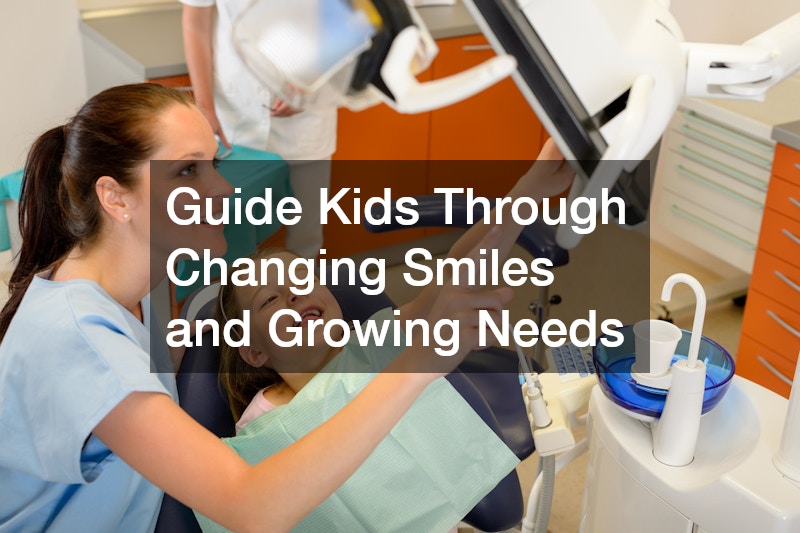
As children grow, their oral health needs become more complex. Baby teeth fall out, permanent teeth come in, and the jaw continues to develop. This is the stage where alignment and spacing issues often begin to appear.
Early orthodontic treatment can address these concerns before they become more serious. Timing matters, and intervention at the right stage can simplify future care.
Signs to watch for:
- Crowded or overlapping teeth
- Difficulty chewing or biting
- Mouth breathing or thumb sucking beyond early childhood
- Jaw shifting or clicking
These issues are often tied to children’s development, including how the jaw grows and how habits shape alignment.
How to support your child during this phase:
- Maintain strong hygiene habits, especially with braces
- Encourage regular checkups to monitor growth
- Reinforce confidence during visible changes
- Limit sugary snacks that increase risk during treatment
Helping children navigate this stage with support and education can make a significant difference in both outcomes and self-esteem.
Help Teens Maintain Healthy Smiles Through Busy Years
Teenagers face unique challenges in maintaining oral health. Busy schedules, changing diets, and increased independence can all impact consistency.
At the same time, many teens are undergoing orthodontic treatment, which requires extra attention to hygiene.
Common challenges for teens:
- Skipping brushing due to busy mornings or late nights
- Increased consumption of sugary drinks and snacks
- Neglecting flossing, especially with braces
- Playing sports without protective gear
Practical ways to support better habits:
- Keep travel-size dental kits in backpacks or lockers
- Encourage rinsing with water after meals when brushing isn’t possible
- Use flossing tools designed for braces
- Schedule dental services around school and activities
Consistency during these years is critical. Habits formed now often carry into adulthood, for better or worse.
Upgrade Your Smile With Modern Cosmetic Options
As adults, many people begin to think not just about function but also about appearance. A confident smile can impact both personal and professional interactions.
A cosmetic dentist can help address a wide range of concerns, from discoloration to alignment.
Popular options include:
- Teeth whitening for brighter smiles
- Bonding to repair chips or gaps
- Veneers for more comprehensive transformations
- Clear aligners like adult Invisalign for subtle straightening
Adult Invisalign has become especially popular because it offers flexibility. The trays are removable, making it easier to eat, brush, and maintain your routine.
Before choosing a cosmetic option:
- Define your goals clearly
- Understand the timeline and maintenance requirements
- Consider how the treatment fits into your lifestyle
- Ask about long-term durability and care
Cosmetic improvements can be highly rewarding when approached thoughtfully and realistically. Taking time to research your options, consult with your dentist, and understand both the benefits and limitations of each treatment ensures you make choices that align with your goals and lifestyle. Regular follow-up appointments and proper home care are essential for maintaining optimal results and protecting your investment in your smile.
Replace Missing Teeth and Restore Function
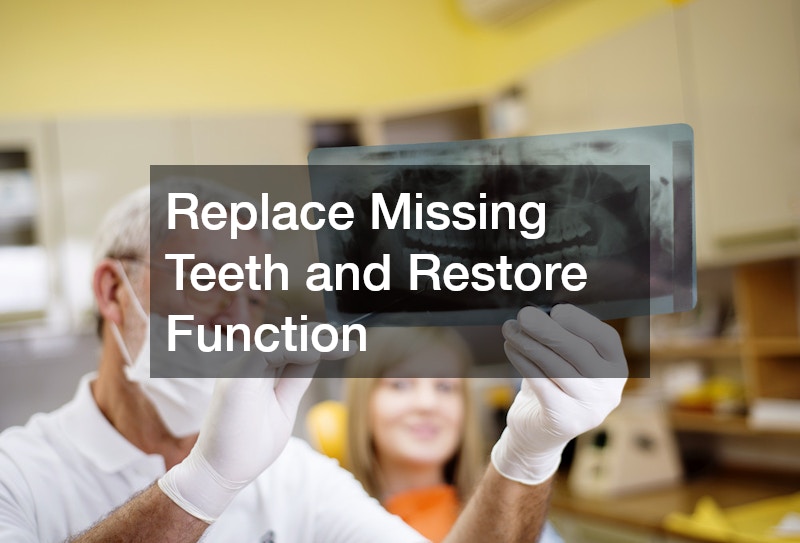
Missing teeth affects more than appearance. They can impact speech, chewing, and even the structure of your face over time.
Dental implants are one of the most effective solutions for replacing missing teeth because they mimic the function of natural roots.
Benefits of implants:
- Long-term durability
- Improved stability compared to dentures
- Preservation of jawbone structure
- Natural look and feel
What to expect during the process:
- Initial consultation and evaluation
- Placement of the implant post
- Healing period for integration
- Placement of the final restoration
A dentist can help determine whether implants are the right option based on your overall health and bone density. In addition to a thorough examination, your dentist may use imaging techniques, such as X-rays or 3D scans, to assess the condition of your jawbone and ensure there is enough support for the implant. They will also review your medical history and discuss any risk factors that might affect healing or integration, such as certain medications or chronic conditions. If implants aren’t suitable, your dentist can recommend alternative solutions, like bridges or partial dentures, to restore both function and appearance.
Questions to ask before proceeding:
- What is the full timeline?
- Are there alternative options?
- What maintenance is required?
- What are the potential risks?
Understanding the process helps set realistic expectations and improve outcomes. Take time to ask questions about every step, from initial evaluation to long-term maintenance, so you feel confident about your decision. Being well-informed empowers you to prepare for recovery, plan for follow-up care, and actively participate in protecting your restored smile.
Prevent Common Adult Dental Issues Before They Start
Prevention remains the most effective strategy for maintaining oral health in adulthood. Many common issues, including gum disease and decay, develop slowly and can be managed early with the right approach.
Routine dental services play a key role in identifying these problems before they escalate.
Early warning signs to watch for:
- Bleeding gums when brushing or flossing
- Persistent bad breath
- Sensitivity to hot or cold
- Receding gum lines
Simple preventive strategies:
- Maintain consistent brushing and flossing
- Limit sugary and acidic foods
- Stay hydrated to support saliva production
- Avoid tobacco products
Regular visits to a dentist allow for professional cleanings and early detection. These appointments are an investment in long-term health.
Adapt Your Oral Care Routine as You Age
As you get older, your oral health needs change. Enamel wears down, gums may recede, and teeth can become more sensitive. Adapting your routine ensures continued comfort and function.
For some, dental implants become a practical solution for maintaining function. Others may turn to a cosmetic dentist to address wear or discoloration.
Adjustments to consider:
- Switching to a softer toothbrush to protect gums
- Using toothpaste designed for sensitivity
- Paying closer attention to gum health
- Staying consistent with professional cleanings
Additional tips:
- Keep up with hydration to combat dry mouth
- Review medications that may affect oral health
- Maintain a balanced diet to support bone and gum health
Small adjustments can make a significant difference in maintaining a healthy smile over time. Even simple changes—like updating your brushing technique, switching to a toothpaste for sensitivity, or adding an extra dental visit each year—can help you adapt to new needs as you age. Remember, staying aware of changes in your mouth and discussing any concerns with your dentist ensures you receive the right care at the right time.
Make Oral Health a Family-Wide Priority
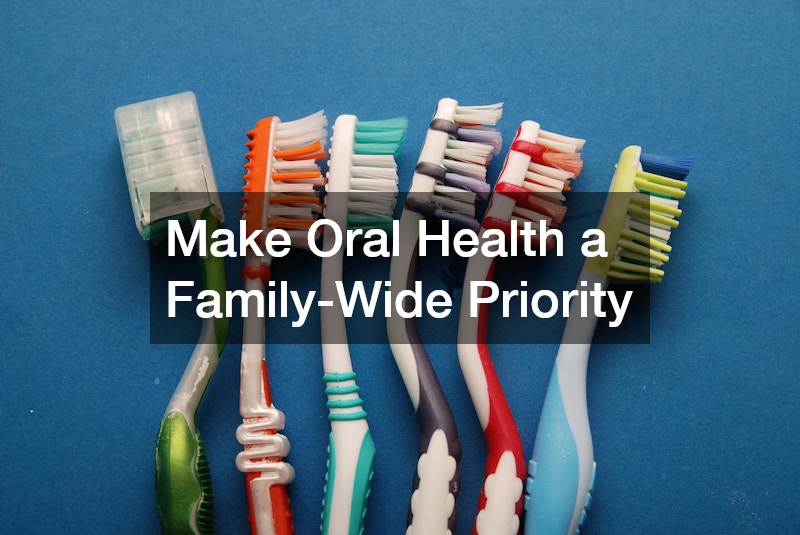
Creating a culture of oral health within your household benefits everyone. When routines are shared and reinforced, they become easier to maintain.
A strong pediatric service can support early care, while consistent habits at home reinforce those efforts.
Ways to build a family-wide approach:
- Brush and floss together when possible
- Schedule appointments for multiple family members on the same day
- Keep supplies stocked and accessible
- Celebrate consistency rather than perfection
Child dentistry becomes more effective when it’s supported by daily habits at home.
Encouraging long-term success:
- Set a positive example with your own routine
- Avoid framing dental care as a chore or punishment
- Use positive reinforcement to build consistency
When oral health becomes part of your family culture, it sets everyone up for better outcomes.
A healthy smile is built over time through consistent care, informed decisions, and a willingness to adapt as needs change. Each stage of life brings its own challenges and opportunities, but the underlying principle remains the same: small, daily actions lead to long-term results.
By focusing on prevention, building strong habits, and seeking the right support when needed, you can protect not only your smile but your overall well-being. The key is to stay proactive, stay consistent, and treat oral health as an essential part of your lifelong routine.